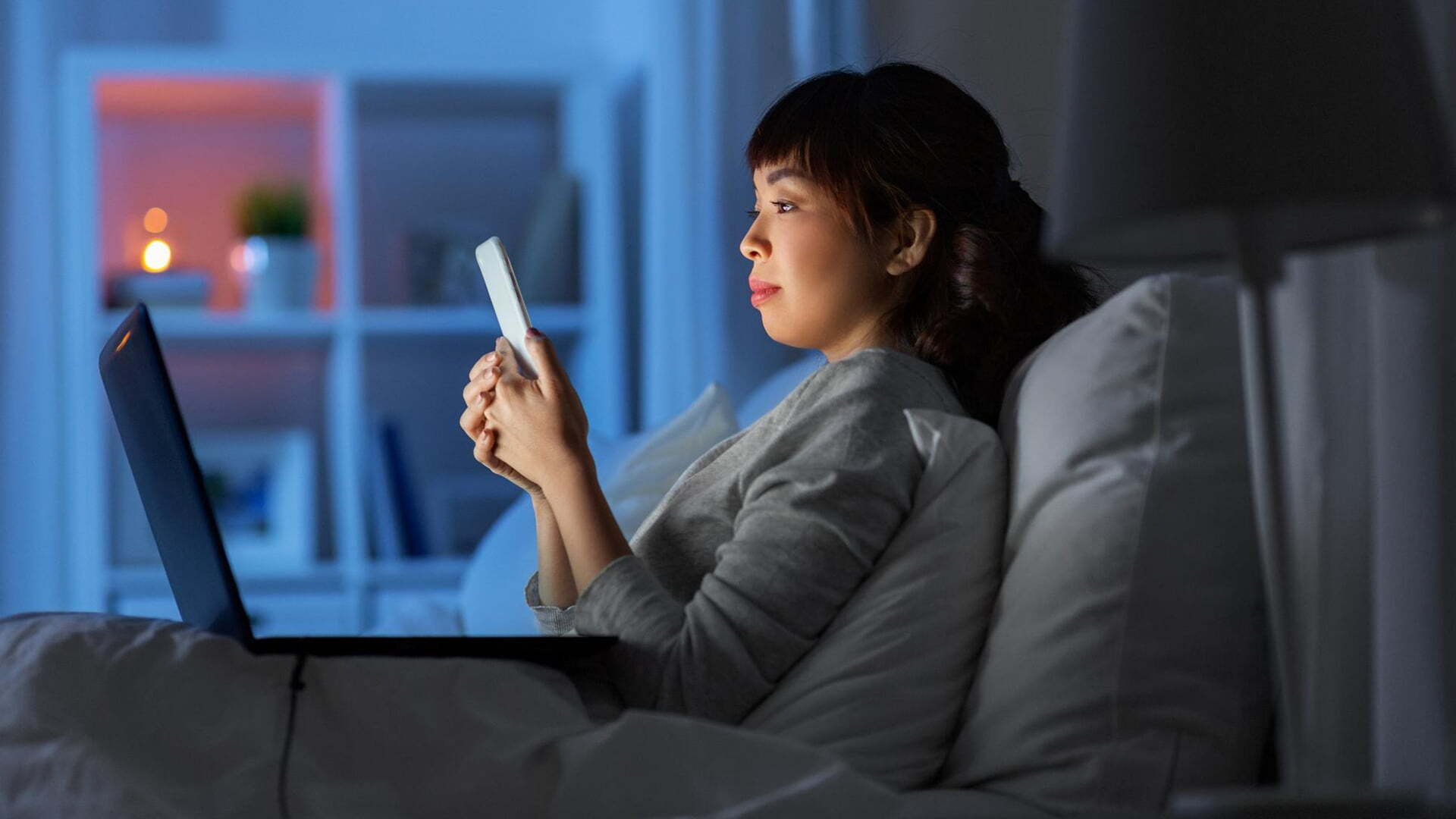
How to turn off screen time for mindful living is one of the growing concerns of this age.
In our modern society, screens are found everywhere, on phones, laptops, tablets, and televisions. They facilitate our work, relationships, and self-entertainment. However, those same displays might slightly deprive us of sleep and worsen anxiety as the day comes to an end.
You are not alone if you have ever found yourself browsing through the night only to wake up feeling anxious and sleepy. The good news is that you don’t have to fully give up technology. You can reclaim your evenings, cut down on screen time, and give your body and mind the rest they deserve with a few simple actions.
We can reduce anxiety by limiting screen time; we can do much better and live a life doing so.
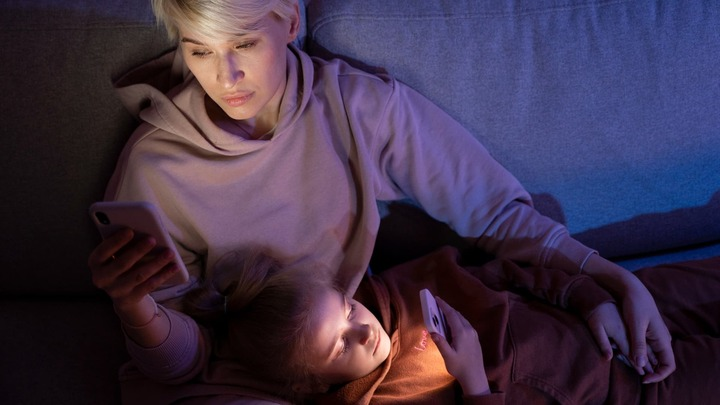
When we scroll through our devices before bed, check our emails at midnight, or watch “just one more” reel, the majority of us aren’t even aware of how much time we spend addicted to our screens. Although it seems harmless, such late-night routines can disrupt sleep and subtly increase anxiety.
Together, let’s understand how to turn off Screen Time.
Why Turning Off Screen Time Matters
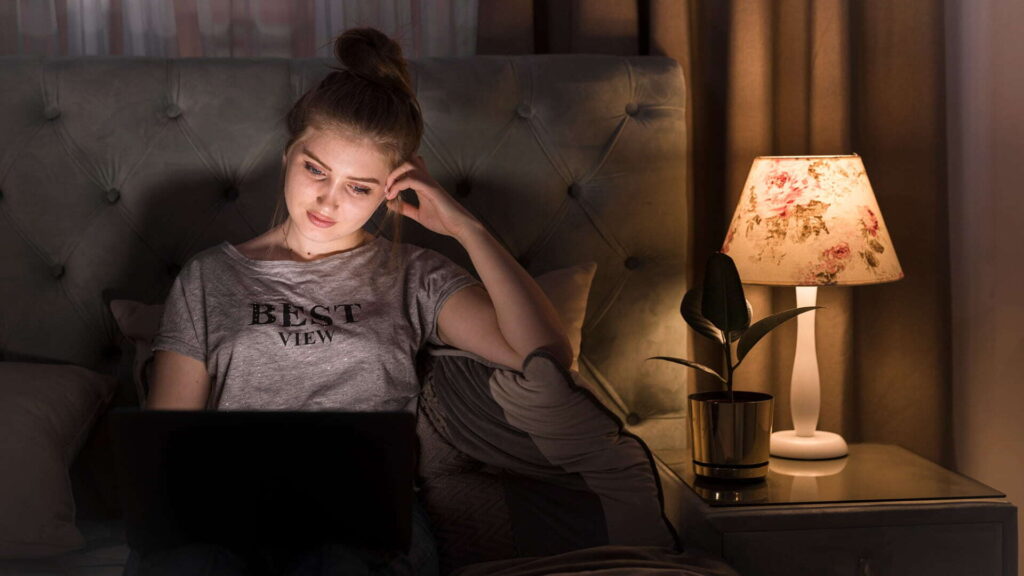
Before jumping to ‘How to turn off screen time,’ it is essential to understand the why.
1. Blue light causes sleep disruptions
Blue light from screens lowers melatonin, the hormone that signals your brain to go to sleep. You remain up long after you should be sleeping if melatonin isn’t functioning properly.
2. Anxiety is enhanced by constant stimulation
Consider the headlines, many videos, and debates in the comment sections from your most recent late-night scroll. Even after you put down the phone, your brain continues to process all the sounds. Higher anxiety and racing thoughts are the results of that mental overload.
3. Anxiety and sleep are linked
Anxiety is worsened by insufficient sleep. Moreover, increased anxiety delays sleep. If you don’t break the cycle, it can spiral out of control.
Setting boundaries and cutting off screen time before bed can help with that.
How to turn off screen time: Steps towards digital Detox
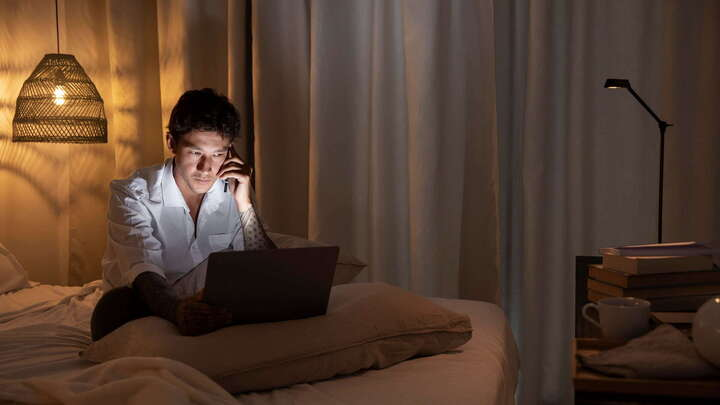
For a mindful living, to reduce anxiety by limiting screen time or many other reasons, let us see what steps we can follow along;
Step 1: Set a screen curfew.
Consider this your bedtime limit.
Decide on a deadline. 30 to 60 minutes before bed is ideal.
Set a reminder or an alarm. Allow your phone to gently remind you when it’s “time to log off.”
Instead of scrolling, adopt peaceful routines:
Instead of reading an e-book, read a book.
Do some mild yoga or stretches.
Keep a journal to help you unzip.
Play some soothing music or tune in to a podcast.
Nonetheless, if giving up screens completely seems difficult, start with just 15 minutes before bed and work your way up.
Step 2: Use Built-In Tools to Turn Off Screen Time
Digital well-being functions are now included on the majority of smartphones. They make life easier, so learn to use them.
On an iPad or iPhone
Navigate to Screen Time under Settings.
Either select Turn off Screen Time for all hours or select Downtime for certain hours.
If social media is your biggest trap, use App Limits.
On Android
Go to Settings → Parental Controls & Digital Wellbeing.
To have your phone automatically turn off, tap Bedtime Mode.
When you are winding down, try blocking distracting apps using Focus Mode.
On Any Device
At night, turn on Do Not Disturb.
To avoid temptation, move your charger outside the bedroom.
Step 3: Create a Sleep-Friendly Environment
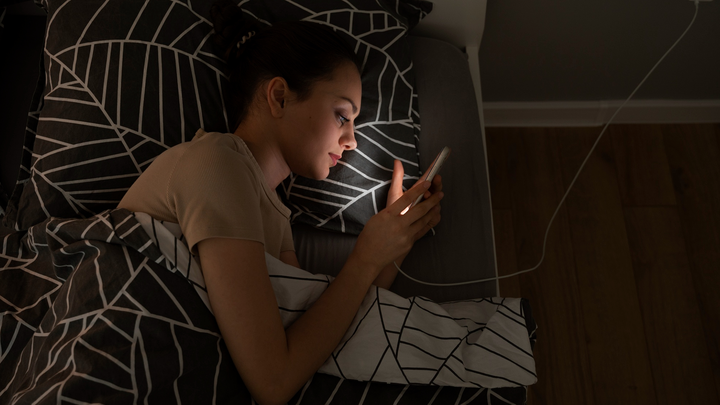
There are other issues besides screens. Your brain should receive a “rest” signal from your bedroom.
At night, keep the lights dim.
If you are bothered by outside light, use a sleep mask or blackout curtains.
Don’t put your phone on the bed. Instead, use a basic alarm clock.
Let your room cool down. Your body might fall asleep more quickly in somewhat colder conditions.
Step 4: Notice the Mental Health Benefits
Many people report the following after just one week of cutting back on screen usage before bed:
Falling asleep more quickly
Having more energy when I wake up
Reduced nervousness in the morning
Improved concentration throughout the day
Consider it “mental decluttering.” Your brain finally has a chance to rest without the late-night barrage of posts and notifications.
Step 5: Create Lasting Habits
Begin modestly. Spending even fifteen minutes without using a screen has an impact.
Combine it with a custom. The “scroll time” can be swapped out for reading, skincare, or tea.
Monitor your progress. You can stay motivated by keeping a basic notebook in which you record your mood, sleep quality, and bedtime.
Honor significant achievements. After a week or a month of maintaining your routine, treat yourself.
FAQs about Sleep, Anxiety, and Screen Time
Should I fully stop using screens?
Not always. Control, not eradication, is the goal for mindful living. Set boundaries at night, but use screens for work or communication.
What happens if I require my phone to set an alarm?
Get a cheap alarm clock. One of the most effective strategies to lessen temptation is to keep your phone outside the room.
Is the issue resolved by using the blue-light filter or night mode?
They provide some, but not all, assistance. As distracting as the light itself is, the stimulus from scrolling and notifications is.
How long should I avoid using screens before bed?
At least thirty minutes is ideal, but sixty to ninety minutes is even better.
Regaining your sleep, peace, and attention is the goal of cutting back on screen time, not missing out. When you’re not battling anxiety and restless nights, life feels lighter.
Set a cut-off time, turn off your phone, and give your brain the rest it needs to start tonight. You’ll be shocked to learn how rapidly improved sleep results in reduced worry and mental clarity.
Your future self will be appreciative for this mindful living.
Your 7-Day Challenge to Avoid Screen Time
Are you prepared to give this a try? Try this easy task:
Decide on a deadline for each night, starting with just half an hour before bed.
Follow it for seven days in a row.
Every morning, note your energy, mood, level of focus, and anxiety.
Review your notes at the end of the week. The speed at which anxiety subsides and sleep improves surprises most individuals when they practice how to turn off screen time!.